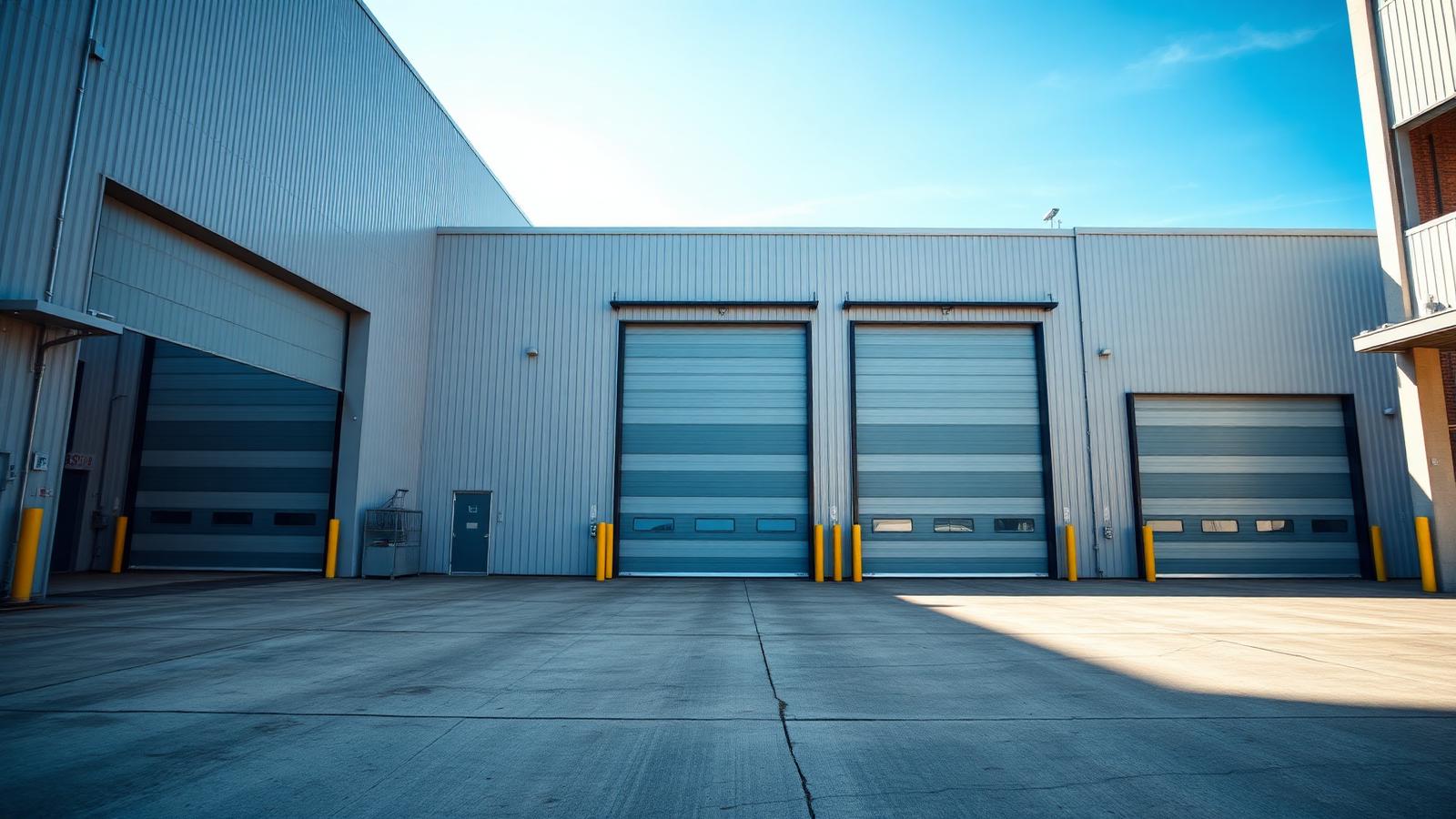
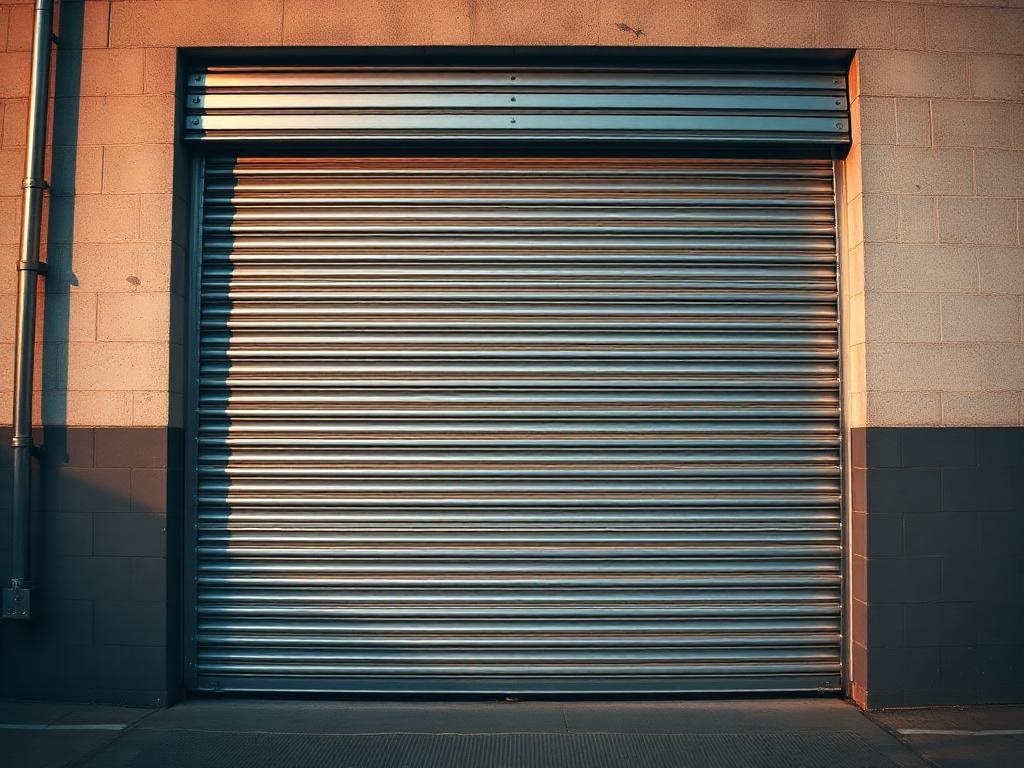
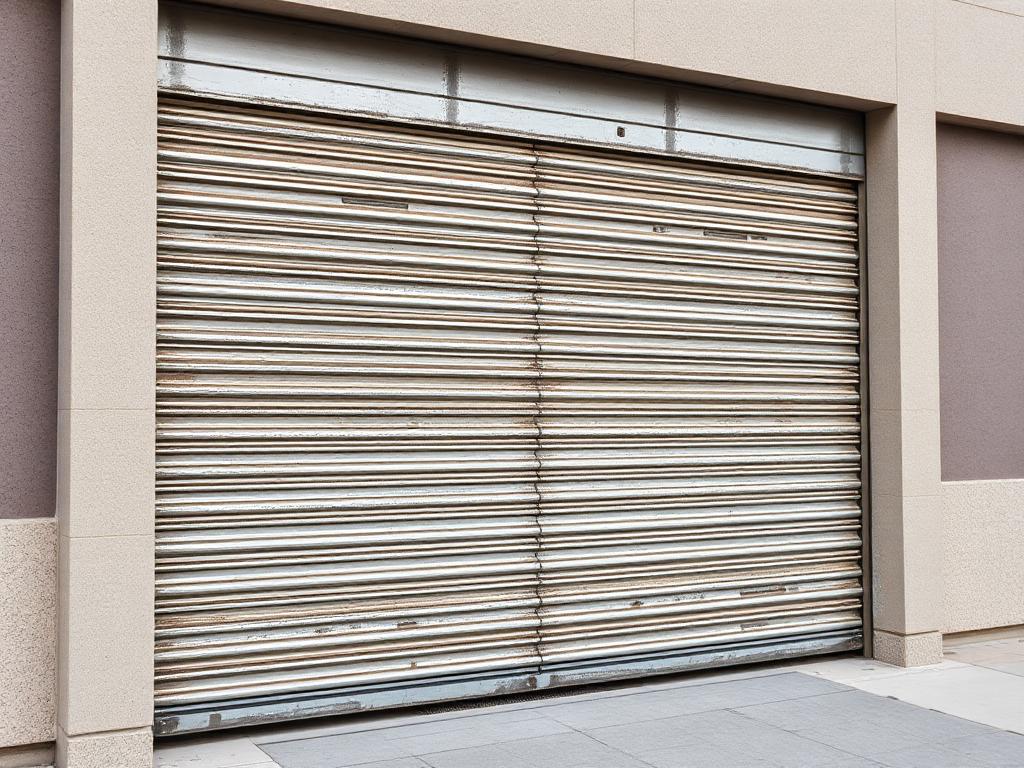
When managing a warehouse, doors are critical to the efficiency with which employees are able to move product in and out, and, contrary to popular belief, they impact the heating bill as well.
Why, then, are so many sliding doors installed in so many warehouses? Sliding doors provide the best combination of operational and financial benefits, which make them a clear operational choice.
This is for good reason: sliding industrial doors do not create a void in the operational workspace of the warehouse. By design, other doors create dead zones where no operational activity can reside. Sliding doors provide value that is easy to see.
In a bustling warehouse where every inch matters, every little detail counts, from where you keep your pallets, to the placement of your forklifts, to how you organise your racking. You can do all of this without obstructing the flow with a pair of hinged doors. Less than 3 meters of clearance swing can make a world of difference.
This is especially true if you are dealing with a difficult structure or cramped loading bays.
Built to Widthstand Daily Use
In addition to thinking of the space flow, you also want to consider the use of the doors. Warehouse use their doors a lot. Opening and closing on deliveries, mid day runs, and during closing, those doors are in use. You want to make a system that will be able to withstand this type of use without falling apart.
Sliding doors are less complicated than rapid roll shutters or sectional overhead doors. The run individually on a track, and the parts are kept simple. There is no spring system to fail, and no hinged sections to top out of alignment. Depending on what needs to be repaired, the process could be easier if the repairs do not require the replacement of a whole new assembly, which some problems may be solved with the adjustment of a faulty roller or a repaired some damaged tracks.
Door Gaps Weather Sealing and Insulation
If there is one thing that everyone has done in the cold winter months, it is tried to heat up warehouses and spent a lot of money in the process while doing so, and that is most expensive while the doors have gaps around them, leading to air to get in and out. Subsequently, your heating bills go will go up.
When the doors of the warehouse are closed, the Sliding Industrial Doors, seal tightly against the frame in a complete shut position. To block draughts, some systems are equipped with a seal of a bristle strip or some form of rubber that goes down the whole edge. Insulated panels are available if you are dealing with a temperature-controlled storage that will provide you with energy cost savings while maintaining comfort continent.
Security Without Compromise
It’s hard to open a door that weighs several hundred kilos and is locked in place on a track. If the shoot bolts, floor locks, or attached security systems is added, that door is even more secure.
Sliding doors are much harder to break than hinged doors or bottom-roller shutters. Breaking through hinged doors always involves hitting the lock. With sliding doors, the resistance is distributed across the entire panel, so those trying to break in have to move a lot of the equipment. Breaking in requires a lot of work, so it’s simply not worth it for the burglars.
When it comes to warehouses, the equipment is probably worth a lot of money, so having peace of mind is important.
Automated doors are not too complicated, and are not too expensive. Doors are updated and modified with well-known control systems.
When it comes to convenience, that is one thing. However, automated doors also serve the purpose of keeping the flow of traffic in the loading area better, and keeping people away from riskier areas. Doors are also not left open if people have to get in and out of an area, and can be close in a more secure manner.
Automated doors can be set with many control systems, including timers and access control. Automation also offers greater flexibility.
The Practical Reality
Not every door system is ideal for every situation. If the opening is very wide, other solutions might be needed. If a building has little to no wall space on either side, it won’t accommodate sliding doors. Rapid-roll doors might be a better solution if very fast opening and closing cycles are needed.
However, for the majority of warehouse applications – standard loading bays, personnel access, and internal partitioning – sliding industrial doors are the better option. They are reliable, efficient, and secure. They are also very simple to maintain. Some of the time, the best option is the one that works, without issues, time and time again.